
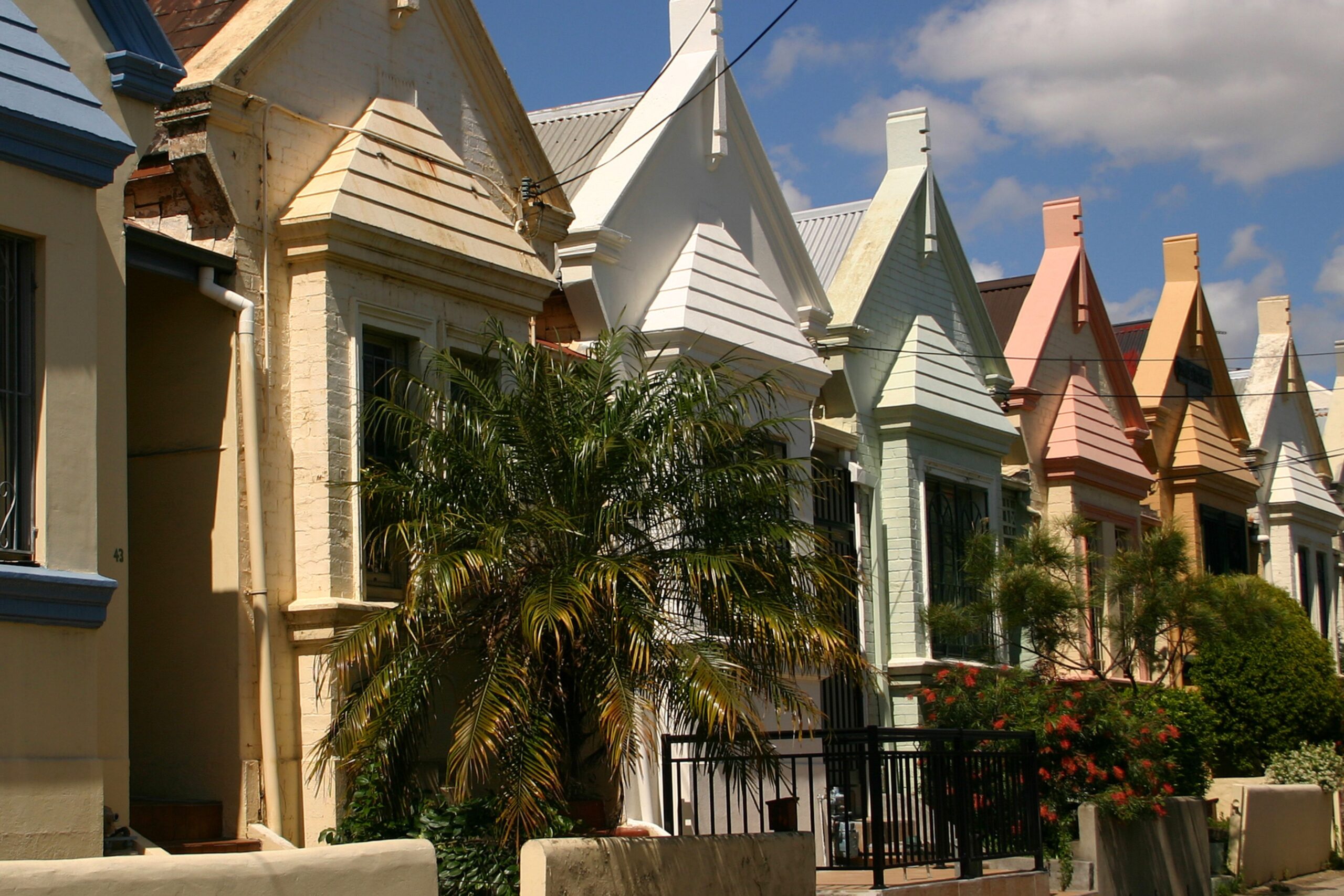
Painting a heritage home means slowing down and doing the unglamorous parts properly. You test for lead paint on anything built before the 1970s, you prep old render and timber gently so you don’t damage original features, you use breathable paints that let old walls dry out, and you check whether your property sits under a council heritage overlay before you settle on colours. Done right, it protects the house. Done quick, it causes problems you’ll pay for later.
We’ve painted older homes across the Hills District since 2000, so here’s a plain rundown of what’s actually involved.
What makes painting a heritage home different?
Older homes were built with different materials and they move differently. Lime render, solid masonry, original weatherboard and timber joinery all behave nothing like the cement render and treated pine on a modern build. They hold moisture, they shift with the seasons, and they often carry decades of old paint layers underneath.
That changes how we approach the whole job. The prep takes longer, the paint choice matters more, and the original detailing — things like decorative timber, ornate cornices, leadlight surrounds — deserves care so it isn’t lost under a careless coat. The painting itself is the easy bit. Everything before it is where a heritage job is won or lost.
Could there be lead paint on an older home?
If your home was painted before the 1970s, there’s a real chance lead-based paint is sitting under newer layers. Lead paint was common in Australian homes for decades, and it doesn’t go away just because someone painted over it. Sanding, scraping or burning it off releases dust and fumes that are genuinely hazardous to people and pets.
This is one part of the job you don’t guess at. The first step is testing. If lead is present, it has to be handled safely by people who know how to contain and dispose of it properly, not stripped back in the driveway on a Saturday. We’re set up to test for it and manage it the right way, which protects your household and ours. If you’re unsure of your home’s age or paint history, that’s exactly the kind of thing we check during a quote.
How should old render, timber and weatherboard be prepped?
Gently and thoroughly. Aggressive prep that works fine on a modern wall can crack soft lime render or gouge original timber. On older surfaces we take the time to clean back flaking paint, deal with any rot or damaged sections, fill and sand carefully, and let the work be guided by the condition of each surface rather than rushing to undercoat.
Old weatherboard especially needs attention, because moisture gets in behind boards and lifts paint from underneath. Skip that and even a beautiful top coat peels within a season or two. The unglamorous prep is what makes the finish last.
Why do heritage walls need breathable paint?
Because old walls need to breathe. Solid masonry and lime render were designed to absorb moisture and release it back out. Seal them with a modern non-breathable paint and you trap that moisture inside, which leads to bubbling, peeling and damp problems down the track.
So on heritage surfaces the right product matters as much as the right prep. We match the paint system to what the wall is actually made of, using breathable products where the home calls for it. It’s a small decision that quietly saves you a lot of grief.
What about colours and council heritage rules?
This depends on your property, so it’s worth checking early. Some Hills District homes sit within a heritage conservation area or carry a heritage listing, and in those cases the council may have a say in exterior colours or changes. We won’t pretend to know your specific property’s rules — every council and overlay is different — so the smart move is to check with your local council before you lock anything in.
On the colour side, period homes often suit a heritage palette that fits their era, and we’re happy to talk through schemes that feel right for the house rather than fighting against it. A bit of homework here saves redoing things later.
What does a heritage paint job cost?
There’s no honest flat price, because heritage homes vary so much. The real cost drivers are the size of the home, the condition of the existing surfaces, whether lead paint needs safe handling, how much detailed prep and feature protection is involved, and access — two-storey or tricky frontages take longer.
That’s why we quote each home properly rather than throwing out a number over the phone. You’ll get a clear, itemised quote with no surprises.
A quick note on trust: Easy Cut Painting Services is fully licensed (NSW Painting Contractor Licence 105492C), a member of Master Painters Australia, and we’ve worked on Hills District homes since 2000.
If you’ve got an older or heritage home in Kellyville, Castle Hill, Baulkham Hills, Rouse Hill, Bella Vista, Norwest or the wider Hills District and you’re planning to repaint, give Nasser a call on 0416 283 735 or request a free quote. We’ll take a proper look and tell you straight what’s involved.
Frequently Asked Questions
How do I know if my home has lead paint?
If it was painted before the 1970s, assume it might. You can’t tell by looking — the only reliable way is testing. We can test as part of assessing your home, and if lead is found, we handle it safely rather than disturbing it carelessly.
Do I need council approval to repaint a heritage home?
Possibly. If your home is heritage listed or sits in a conservation area, your council may have a say in exterior colours or finishes. Rules vary by property and council, so check with your local council before committing to a scheme. We’re happy to work within whatever applies.
Why can’t you just give me a price over the phone?
Because heritage homes differ too much for an honest phone quote. Size, surface condition, lead-paint handling, prep, feature protection and access all change the job. We look at the home in person so the quote reflects what’s actually in front of us.
What makes breathable paint important on old walls?
Old masonry and lime render need to release moisture. Non-breathable paint traps it, causing bubbling, peeling and damp. Matching a breathable system to the wall keeps it healthy and the finish lasting.
Do you service my suburb?
We cover the Hills District, including Kellyville, Castle Hill, Baulkham Hills, Rouse Hill, Bella Vista, Norwest, Winston Hills and Pennant Hills. If you’re nearby and not sure, just call and ask.

Our Services
Get in Touch Today
Contact our team for expert advice and a free, no-obligation quote.
